


How Can Fractional CFOs and Accounting Firms Avoid Lawsuits When Fraud Happens?
Even when firms do everything right, fraud can still trigger lawsuits. Legal exposure often has less to do with whether fraud was committed and more to do with how scope, documentation, staffing, and insurance were handled before problems surfaced.
Scope creep, vague engagement terms, weak documentation, or the wrong insurance coverage can expose fractional CFOs and accounting firms to liability, even when professional standards were met.
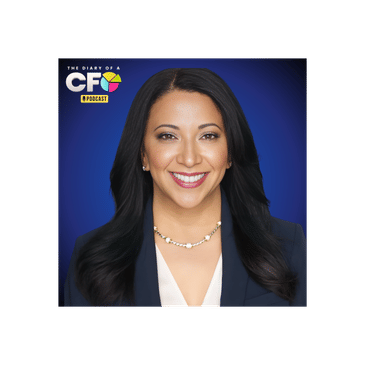
In this episode of The Diary of a CFO, Wassia Kamon speaks with attorney and risk management expert Natalia Greene about fraud exposure and duty of care for finance leaders. Natalia draws on more than 20 years defending accounting firms in litigation, including cases featured on American Greed, to explain how firms can reduce legal risk through clearer engagement letters, disciplined documentation, proper client acceptance, and the right insurance decisions.
This episode is for CFOs, fractional CFOs, accounting firm leaders, and founders who work closely with finance teams and want practical guidance on protecting themselves while continuing to serve clients effectively.
Why This Episode Matters
If you are a fractional CFO or firm owner, this episode shows where liability actually comes from when fraud is discovered.
If you work with high-risk or fast-growing clients, it clarifies how scope and documentation protect you in disputes.
If you rely on insurance for protection, it explains what coverage does and does not actually do.
Key Takeaways
Engagement letters are your first line of defense
Clear scope definitions reduce lawsuits more than technical excellence alone.Billing records must match scope
Invoices that exceed stated services help plaintiffs argue unlimited responsibility.E&O insurance is necessary but not sufficient
Coverage depends on how professional services are defined and what is excluded.Early insurance notification protects coverage
Waiting to report issues can invalidate protection entirely.Annual client reevaluation reduces risk
Regular reassessment prevents misaligned expectations and hidden exposure.
Can an Accounting Firm Be Sued When an Employee Commits Fraud?
Yes, and it happens frequently. Clients often assume accountants should detect fraud regardless of engagement scope. When fraud surfaces, the accounting firm is commonly the first target, even if the work performed did not include fraud detection.
Fraud is most often uncovered by whistleblowers or accidental discovery, not audits or tax work. The legal risk comes from clients misunderstanding the limits of what accounting services are designed to catch.
What Engagement Letter Mistakes Create the Most Legal Exposure?
The most dangerous mistake is vague language such as “providing accounting services.” When disputes arise, clients argue that scope was unlimited and that the firm was responsible for everything.
Effective engagement letters specify services provided, entities covered, time periods, and client responsibilities, along with limitation of liability provisions. Billing records and emails must align with this scope. If scope expands, it must be documented immediately in writing, including what remains outside responsibility.
What Insurance Do Fractional CFOs and Accounting Firms Actually Need?
Professional liability or E&O insurance is the baseline, but firms must understand how their policy defines professional services and what is excluded. Many policies do not cover fee disputes or provide limited regulatory investigation coverage.
Depending on operations, additional coverage may include D&O insurance for board roles, cyber insurance for sensitive data, and crime insurance. Firms should contact their insurance broker as soon as disputes or complaints arise, since delayed reporting can compromise coverage.
How Documentation Protects You or Sinks You in Court
In litigation, undocumented work does not exist. Professional judgment must be recorded contemporaneously, not assumed.
Checklists alone are insufficient. Documentation should show active analysis and follow-up, including discrepancies identified, actions taken, and client explanations. Email communication is equally critical. Advice given outside scope or commitments that contradict engagement terms often become the strongest evidence against firms in court.
Resources mentioned
Guest: Natalia Greene, Risk Management Expert at Leavitt Group
Show: American Greed
Tools/Terms: E&O insurance (Errors and Omissions), Professional Liability Insurance, Engagement Letters
Subscribe to the Finance Executive Track newsletter for actionable insights to become the obvious choice for top finance roles and thrive once you get there
https://the-finance-executive-track.kit.com/signup
Download the free guide on AI prompts every finance leader needs:
https://www.wassiakamon.com/prompts
If you liked this episode, listen next to:
Sheryl Shaw on Scaling Finance Teams and Embracing Technology
How the Best Finance Leaders Operate, Plan, and Forecast, with Christina Ross
Learn more about Wassia Kamon and The Diary of a CFO at thediaryofacfo.com.
About The Diary of a CFO
The Diary of a CFO is a podcast about modern finance leadership, hosted by award‑winning CFO Wassia Kamon. The show is for current CFOs, emerging finance leaders, FP&A professionals, and founders who work closely with finance teams.
Each episode explores how CFOs and senior finance executives build high‑performing finance and FP&A teams, partner with CEOs, boards, and capital providers (banks, PE/VC, and impact lenders), and navigate growth, regulation, and transformation without burning out.
Full Transcript:
[00:00:00] He embezzled over $22 million from influencers. Yes, he had an accounting and finance degree, but he also graduated with an uncontrolled gambling addiction. What was the most surprising things you've learned after defending accounting firms? Because you've seen what gets people in trouble. When I think of what's surprising to me about accounting firms really isn't.
[00:00:25] Natalia Greene is an attorney turned risk management expert helping accounting and professional firms reduce exposure and build resilience backed by over 20 years of litigation experience. What was the feeling like that one of the cases you worked on was on tv? It was, oh my God, I know this. If you ask any of these folks after the fact who have been through it, what are the ways to avoid being dragged into a lawsuit?
[00:00:50] Well, it starts with client acceptance. And annual reevaluation of whether or not they should continue as an ongoing client. [00:01:00] What's the insurance policy? Nobody talks about, but every owner of a professional service actually needs, I think. Welcome back to the Diary of a CFO Podcast, the podcast where finance leaders share the lessons, challenges, and wins that shape their careers as well as their organizations.
[00:01:16] I'm your host, Vasia Kaman, and today I'm super delighted to have with me Natalia Greene. Welcome to the show, Natalia. Thank you for having me. Of course. You started your career as a litigation lawyer protecting accounting firms. Can you walk us through your journey and how you ended up specializing in our space?
[00:01:35] Well, I can say this as a child, I did not walk around saying, I think I'm gonna be an attorney. Or that I think I'm gonna be representing accounting firms one day in litigation attorney on either side of my family that I looked up to or had to look up to. Um, so I went into UCLA undeclared, I took some GE courses and I was sure I might be a Spanish.
[00:01:57] Station [00:02:00] meteorologist. But then by my junior or senior year, I, due to things going on campus, uh, I decided I wanted to pursue a law degree. And so I crossed town, went over to USC and uh, got my JD. And then I did. What we all do is send out that resume to various CI civil litigation firms and ultimately I landed at Gerin Tulley and that firm HA is a boutique southern California law firm, but they do have a specialty practice representing attorneys and account.
[00:02:35] And so that is how I began looking, working with professionals. And while I don't have enough background in accounting, the accounting firm clients were my favorite to work with. And so for 21 years I worked, um, in litigation fighting the good fight, defending our accounting firms against sometimes national firms.
[00:02:58] And I [00:03:00] decided after that period of time that I wanted to kind of use my skills differently. And that's what brought me to Lemi. And in my role at Lemi, I get to do what I love most about being an attorney is I get to counsel accounting firms on risk management and help them with claims advocacy. And I don't have to spend every day, all day fighting with opposing counsel over discovery or discovery motions.
[00:03:27] So it really has been a rewarding win for me to continue to work with accountants and accounting firms. Wow. That's impressive. I, I love how you said you didn't know what you were doing. I, me too. In college it was like, sure. And that's kind of the way I also ended up in accounting. Thank you so much for sharing that.
[00:03:47] Yeah. Now I'm curious you. Had some cases that have been featured on American Greed. That's one of my favorite TV show for a decade. I've been like hooked on that show. So [00:04:00] without giving any names, what's one case that really sticks with you and why? Well, like you, so I was a fan of American Greed and I just watch it for my entertainment.
[00:04:09] Purposes. I find it fascinating. And so I just recall one day this one stands out to me, and maybe it's because it was one of the first, maybe perhaps, but I'm not quite sure. But I think it has to do literally with the facts of this particular matter. But I remember sitting there and all of a sudden you get the teaser, and they said, there is an accountant in Laguna Al California who's.
[00:04:31] Scammed, her winery owner, clients and other, you know, small local businesses in some scheme that ultimately netted her $1.5 million of their money. Um, and so I immediately sat up and I said, wait, wait, wait. Hold up, wait a minute. I know that sounds very familiar to my case. The case that I had handled and this particular individual, I think would.
[00:04:56] Stood out to me as the fact that this individual, [00:05:00] she had, you know, rented the beach house overlooking the ocean in Laguna Beach, California. She showed prospective clients this very, you know, posh, you know, office with the latest technology and software on the screens to impress them and credentials. Um, but what.
[00:05:18] Um, I found really interesting is that her target or victims were, you know, like a small winery, a Pilate studio, a hair salon, a local luxury travel agency, like small businesses in the community she was living in. And she literally would go and attend classes with them. She went to their wedding, she befriended them.
[00:05:41] They really thought that she was wow. You know, their personal friend and happens to provide professional services and they, you know, gain trust in her, um, and allowed her to handle their, you know, accounting records and they trusted whatever she said. And [00:06:00] somehow because of those relationships, obviously, and because she was doing play dates with them and the whole thing, double dates and whatever kids.
[00:06:09] Spouses, the whole thing. And even actually when one of the, um, victims was in an int treatment drug rehab program, she was running their business and they thought, wow, she's just wonderful. Trusted. And so she convinced all of them to make check payments to quote. Income tax payment, that's what these checks would be.
[00:06:30] And she told them, if you do this generic check, you know, like that, that it'll enable me to pay any current or future taxes when they come up. And they, like I said, fully trusted her. And what made her really unique, 'cause this is not. Like today's age, this is some years ago, but she went so far as to use, you know, fake email accounts.
[00:06:55] She used software that changed her voice so that she would talk to her [00:07:00] clients in a different voice, a different persona. She had software that showed a different color ID number in case you did call with questions and concerns, and she even posed as a prospective buyer or investor for one of these victim clients.
[00:07:14] And so she went through all of those, those, those efforts, and you always kind of go for what it literally is for, you know, American greed, right? It was the house that she lived in or rented cosmetic surgery and Arabian horse, you know, vacations and, and wow. And the sword. That again, I'm hooked on American greed, so, but what was the feeling like, like that one of the cases you worked on was on tv?
[00:07:45] Like what was your initial reaction? I'm just curious. Well, besides, oh my God, I know this. It does, oh my God, I know this. And I do think it's fascinating. And while I'm surprised, you know, whenever you. Have worked on something and you see it on a show that you watch. [00:08:00] Um, it's obviously takes on a whole different, you know, interest level.
[00:08:05] But I think what I appreciated about this show though too, is the exposure that it, it shined a light on what could happen. Um mm-hmm. And, and really because my client was. Actually an outside tax preparer for one of these victims. And that's how we came to know it. But they had no, you know, they were told by the client to like, deal with this lady only.
[00:08:34] So it, it was just, I, I'm just very glad that it was something that small businesses could, you know, learn and understand. And also outside, you know. Hardworking accountants and tax preparers to be on the lookout for, um, because, you know, you may be someone who can, you know, stop the bad behavior or the fraud that's happening.
[00:08:57] Yes. And it ties beautifully with what [00:09:00] you do now, which is like more on the prevention side. Like what should people not do or what should people be aware of, like on both sides. So I'm pretty sure you've seen more embezzlement fraud cases. Would you mind sharing one more, just one last one before we move on?
[00:09:18] Well, I'll show one that I'll share, one that I thought was kind of wild, um, more focused on the facts. Um, that, that were available to the public. But I mean, this particular one, maybe it's, you know, interesting to younger folks too, is this company represented influencers who were on YouTube and, and Instagram and the like.
[00:09:40] I'm scared. I'm scared. Okay. And so they, you know, use this company to help kind of track um, the payments that they were due from subscribers and hits and all of that. And then they would send the money that came in and forwarded onto these influenced. But a lot of the influencers you can imagine are kind of [00:10:00] unsophisticated or don't necessarily know what they're doing owing and they're trusting.
[00:10:03] Right. Well, this case involved an executive who worked for that company who was. College educated. Guess what? He had a background in, he had a accounting and finance degree, uh, but he also graduated with an uncontrolled gambling addiction. And what was interesting about this, I mean, very smart, very obviously the talented and.
[00:10:30] Could, you know, had great skills that could be useful to their company and to the client. However, his dreams were grander than that, and he, uh, aspired and, and looked up to, and when you read a ING sentencing statement, he wanted to be among the best poker players in the tournament. You know, that tournament circuit and ultimately.
[00:10:56] What made this one kind of wild was literally [00:11:00] during, you know, the time that he was, you know, committing this fraudulent scheme. He actually became a world Poker tournament champion with a seven figure paycheck and. During that same period of time, he, uh, claims to have won and lost $2 million on online slots in a 48 hour period, so right.
[00:11:27] So in the period of three to four years. Three to four years, which to me was not a long time. He embezzled over $22 million.
[00:11:42] Y Yes, because again, it was a bunch of them, a lot of them over time. And he also, uh, claimed to be making payments. They were like a CH transactions because that's how they would get paid these wire transfers to the influencers. Um, and there was also supposedly, you know, lease payments being [00:12:00] made to a non-existent condo in Mexico that was supposedly used for business development purposes, but it was a fraudulent lease.
[00:12:07] Um, that didn't exist. So he was, um, so that I think is probably a wild one. Watching it unfold or just Wow. So he wasn't hiding. He was at the tournament and I'm sure it cost a lot of money to enter those tournaments. And he was on the pages of the, um, poker, you know, literature and wow publications as a winner.
[00:12:32] Wow. That's. That's wild. Um, but what was the most surprising things you've learned, um, after defending accounting firms, right? Because you've seen what gets people in trouble. Like what are those things? When I think of what's surprising to me about accounting firms really isn't. So much related to this fraud or embezzlement or that sort of thing.
[00:12:56] Really what kind of surprises me about accounting [00:13:00] firms specifically as compared to other professionals and other is the fact that accounting firms and accountants are very receptive and adaptive to emerging technology and innovation. They, as soon as that's, you know, a new. Tech, you know, something comes out that they're willing to, you know, use it, test it, figure out how they can implement it.
[00:13:24] And perhaps it's because they want to, perhaps it's because they have to understand it in order to serve their clients well, and also for they themselves to become more efficient. So, you know, that I think is what's really surprising to me is every time there's something new, the accounting firms are the first to kind of.
[00:13:45] What is this about? How do we figure this out? What can we do with it? How is it used? Are our clients using it? How do we test it? How are we reporting it? However, you know, those, those sorts of things is kind of surprising to me. And maybe it's because attorneys are so reluctant [00:14:00] to jump all in and, and, and when it comes to technology and innovation.
[00:14:06] Okay, so back to, you know, accounting firm themselves. When there is a case of embezzlement or any cases brought against them, when the fraud is discovered, people often point fingers at the auditors or anyone that touches the financial. Why is that? Well, I think generally speaking, it's the public's view, right?
[00:14:26] That accountants and in particular, especially auditors, are professionals that have expertise and therefore they're in the best position to discover the fraud. They also start with an incorrect assumption, and that is the scope of the accountant services. You know, whether it's bookkeeping, tax, audit, um, they believe or assume that that.
[00:14:53] The accountant will be able to somehow uncover any fraud that ex exists, [00:15:00] irrespective of how immaterial it is or how unrelated to the actual services that account is performing. Um, the. Third kind of component I think that goes into this is I think they also fail to appreciate the level of sophistication of those fraudsters like we've kind of talked about and described.
[00:15:20] They're, they're, a lot of times they're not, they're very sophisticated people. They're very smart people. And also there usually is that complicating factor, which is you usually have a collusive third party who's helping to either per. Per, you know, perpetrate the fraud or conceal that fraud. So, but the reality that we have in each of these cases is.
[00:15:49] Who or are the people that discover the fraud? And typically that is gonna be a whistleblower, and that whistleblower oftentimes is someone that works alongside the person or people that are committing the [00:16:00] fraud, right? They're sitting with that person day in and day out, and they're in the best position to see when their behavior changes, or all of a sudden they're, they seem to be able to afford all kinds of grand things that are inconsistent.
[00:16:15] Inconsistent with their salary. They got the new cars, they're moving in the house, they're taking vacations. They're all of these different things. Um, and I think that, um, you that, so that's usually how it's, you know, discovered is those things or. The other way that it's discovered by these whistleblowers is, or work coworkers, is that fraudster, you know, is absent from a rule or responsibility or can do it for whatever reason, and someone has to take over that, that task and they stumble upon it.
[00:16:58] Yes. In, you know, [00:17:00] undertaking that task. Mm-hmm. Wow. And so from a legal perspective, like what does. When is it that the blame actually hold up and when is it unfair? So let's say a fraud is discovered, and of course we're gonna blame the accountant, the auditor, the fractional CFO, whoever touched the financials.
[00:17:20] At what point does it actually hold up versus is it just unfair? Well, so I think that the. Let me kind of just back up in terms of the approach and how you figure out whether this is fair or unfair, and that starts with, mm-hmm. When you as an attorney defending an accounting firm or accountants or as an accounting firm looking, you know, at this issue, I think it's important to have an attorney involved.
[00:17:43] Early and upfront, because once you involve that attorney or the attorneys undertaking that investigation, it is under a privileged or protected, you know, there's attorney-client privilege and you can be more, you know that you don't have to turn that over to the other side. [00:18:00] But once you get that attorney in place, the really important thing is for that attorney to understand what claims are being asserted, what that engagement scope is based on a signed engagement agreement.
[00:18:11] Um. To also identify what work papers and or email communication, that sort of thing. Um, goes to that particular claim that's being asserted so that they can be collected and looked at. And also consideration of hiring a consulting expert. And the reason why you wanna do that is you want an independent person party that gives.
[00:18:37] Opines or gives an opinion on the standard of care. So you want under your cloak, again, your privilege, someone to say, Hey, from an independent party looking at this as an expert, would you say that the accounting firm or the accountant met the standard of care? And if they did not, then you kind of don't start from a [00:19:00] place of calling it unfair.
[00:19:01] You start saying, okay, what is the risk exposure? You know, because one, you wanna say, okay, is there a problem with this particular audit? But you also wanna know from that consulting expert if there are other issues that perhaps the claimants have not identified yet. But that may come up as this matter progresses.
[00:19:23] Because what you wanna quickly pivot to is, okay, what positive facts or what positive aspects can we use to try and leverage to try and resolve this early because. Once you have, you know, have to concede standard of care, then if there are damages that resulted from that. You know, failure, then, you know, there's exposure.
[00:19:45] So addressing it early if you can, and trying to resolve it is, is key. When it's unfair is when you know the standard of care was met and that, and typically those scenarios [00:20:00] where I've seen them, and of course I think all of them are unfair, but it's when the claimant or plaintiff, in my view. Refuses to take responsibility for their own, um, their own errors and or their cause of the damage.
[00:20:16] And unfortunately, um, in doing that or in defending it, you know, the accounting firm and the accountant still has to foot the bill of a defense even though there's no merit to the claim. That's when it seems very unfair. But it's how it works. Wow. Here. Now back to the standard of duty of care and you know, thinking from a prevention standpoint, because there is now a lot of fractional CFOs, small firm, boutique firms, and you know, going after different niche within with within different industries, what would you say are some of the standard they need to understand to.
[00:20:54] Need that duty of care. I know you mentioned something about, um, the, the scope or [00:21:00] the, the, the agreement. Can you tell us a bit more about that? Well, I'll just say as a common and general proposition is that you have to be very, very clear and specific about the scope of the work that you intend to undertake.
[00:21:14] It should be documented, um, and so you don't want some generic, I'm gonna provide accounting services or tax services, and it'd be this really broad thing because whenever a claim is made, it should, typically, the claimant is gonna say that they relied upon you to do everything. Your scope was unlimited, and the only way to kind of push back on that is to have a signed engagement agreement that says, oh, no, no, no.
[00:21:39] Actually the services that I signed up and agreed to perform for you client are, let's be clear. Only this client, only this entity or entities that are identified in this agreement only for maybe this particular year, financial statements or tax, whatever it is, tax year this [00:22:00] or financial statement period.
[00:22:01] That, and it also identifies in those signed engagement agreements that you need to have signed, signed, signed engagement agreements that also include in their, the responsibilities of the. Uh, client to provide you truthful, accurate, correct. You know, financial information. And again, depending on the engagement of the scope, whatever it is that the client's responsibilities or duties or obligations are, and that same agreement, having those kind of.
[00:22:35] You know, agreements with a very clear scope often should include and do include, you know, limitation of liability provisions. That's where you can try and control your exposure in the event that there is an error or dispute with the client. So that's really important. That's where you can OMI the amount of damages that can come after you for that may [00:23:00] speak to where this may be litigated.
[00:23:03] If it's litigated, it may speak to the requirement to mediate the dispute before you file a lawsuit, so it gives the parties an opportunity to resolve before you turn the litigation. So I think those things are really important. Wow. Um, that's very eye-opening for me 'cause I, you know, I've worked on the other side.
[00:23:22] Right. I received the engagement letter from the auditor, so I've never seen it really from their perspective or from the perspective of a business owner. Like you said, you can't just say. Providing accounting services, and here's an invoice. You do need a contract, the engagement letter. But then I'm curious, once you have that nice engagement, what other things do, should people think about, about duty of care on how they staff the engagement?
[00:23:46] Like how did the whole thing go goes on after the, the initial one? Well, I can, well, I, it, it's very important or, or I guess, you know. One of the things that I think, um, you [00:24:00] have to think about with your staffing, just I'll answer that and then I'll kind of go a little bit backwards with that. But I mean, with your staffing, you need to make sure that you have staff that have an appropriate level of skill and training for the engagement, whatever that is.
[00:24:13] They have an and, or they have a lot of oversight if that's what's required because they, they lack. Some of that training experience that may be needed and you're literally training them. And, um, you also need to make sure, consider whether or not you're allocating enough time for the staff, the partner, the senior man, everybody on the engagement to perform those responsibilities on that engagement.
[00:24:41] That being said about the staffing, I think one thing, you know. Like why or how is it that accountants miss like red flags? I think that's kind of mm-hmm. What you may be speaking to a bit. And I think the, the why often [00:25:00] that happens is a lot of risk comes from professionals. Overreliance in my view, sometimes on the checklist approach, it's like I have this checklist for whatever the engagement is, you know, whether it's tax or audit or whatever, and I'm going through the list and I'm, I'm, I'm checking it off.
[00:25:19] It's great to have those as resources. It's great to know that you didn't miss something, but that's not a replacement for the, you know. The the thinking part, the, does this make sense part, the, and what typically happens when a claim is asserted against an accounting firm or accountant or auditors and, and that sort of thing.
[00:25:40] The, the hindsight criticism is that. The accountants were lacked professional skepticism. They over relied on management or whoever, management deemed the appropriate contact person and they didn't for themselves, you know, really [00:26:00] actively engage in does this. Makes sense or I'm not satisfied with, especially if they get kind of pushback right from the other side.
[00:26:07] Just kind of you're walking this line of, I don't wanna upset the client, but I kind of need this. This is kind of good enough, but it's not. When you're looking at your license on the line, you are a professional. They're hiring you to do your professional. Ex, you know, job and you've gotta do it and they have to cooperate with it.
[00:26:27] Um, so I think that accountants have to really trust and utilize their instincts. When they're kind of going through engagements and not overly rely on, like I said, kind of, oh, well, check the box, check the box, check the boxes, add in the file. It's in the file. It's in the file. And not really understanding why they need it, why it's important, and why do we have to document it.
[00:26:51] And I will, you know, stress. That documentation is everything. If it is not documented, it didn't happen. So [00:27:00] you later explaining, oh, I spoke to this person, or We had a conversation, or I did that analysis. I just didn't put it in here because I was satisfied. Well, then in the world of litigation, it didn't happen.
[00:27:12] So I think that's what I would caution. Wow. So to recap, so first my engagement has to be on point. So the engagement contract, what are my responsibility? What is the scope of what I'll do, needs to be on point. Then the people that will work on the engagement, the level of experience or oversight has to be on point and then not just go by the checklist, but think outside the box, which is.
[00:27:42] Difficult when you also press for time, but good to remember and then documentation. That's a lot of work. I don't think we factor all that when we bill people. Right. Well, and that's a good point that you're making actually, is that, you know, you may need to [00:28:00] reevaluate your budget for the the job, but you know, I think.
[00:28:06] Again, if you ask any of these folks after the fact who have been through it, um, you know, what are the ways to avoid being dragged into a lawsuit? Well, it starts with client acceptance and this annual reevaluation of whether or not they should continue as an ongoing client. Right. So you start with client acceptance and say, let me look at this client.
[00:28:33] Are we still at the outset, but each year, you know, are we still a good fit? Does this client fit into my wheelhouse? Do I have the expertise? Do I have the team available? Do I have the time? How difficult or not difficult is this client? Does this client not give us documents on time? Does this document, you know, put, or I'm sorry, does this client.
[00:28:56] Not, um, provide timely, [00:29:00] accurate information. Do we need a long lead way? Are there kind of difficult to work with for our staff and therefore they take up a lot of time and it's at that point you start thinking about one, if they are still a good fit for you and your expertise or your level of comfort in the industry that they're in, they may switch to a different industry and maybe you're not so comfortable with that.
[00:29:24] You know, you have to. Evaluate where your skill is and where, what their need is to see if it's a great fit. And then also as part of that, consider how much should I be charging given all of that information. 'cause not everybody is the same, right? Some clients require a lot more time for the same. You know, scope of work than a different client.
[00:29:48] Mm-hmm. And so maybe adjustments need to be made after you do that, and you're satisfied that you have done your diligence in terms of evaluating this client, googling 'em, searching them, making sure [00:30:00] you understand who you're going to be working with, and that you're comfortable. Absolutely the signed engagement agreement.
[00:30:06] I would suggest that usually it's if, if they're insistent on you using their engagement agreement, there's stuff in there that you should be looking carefully at with your, um, counsel, your attorney, um, just to make sure that you understand what their terms are and perhaps you wanna. Invest in coming up with your own engagement agreement if you don't have one, to make sure that the language and the provisions and the limitations of liability that you feel are appropriate are included in that and work off of your engagement agreement and let them, you know, maybe, you know, go back and forth with you on your version of it.
[00:30:43] It's important that when you kind of hear some bubbling up. You know, there may be some complaints, there may be some issues with payment, there may be issue. These things that are starting to make you think, um, I feel like there's something more here [00:31:00] at some point. Um, I think it's really important for professionals, but accountants in particular to consider whether or not they should reach out to their insurance broker.
[00:31:10] And advise them that there may be a potential claim on the horizon or just talk through it. I can't stress how important that is because I think a lot of people think of it like auto insurance, like I don't wanna report it because I don't want my insurance to go up and this, that and the other. It's very, very different I think with professional liability because if you don't.
[00:31:32] Reported in time, as you should have, you may be compromising your coverage down the line if it does turn into something. 'cause they're gonna ask for all of the back and forth with a client or what happened or how, what led up to the ultimate claim. So that may be present a problem from an insurance perspective for you, but also you don't wanna create a bad record.
[00:31:54] So if you contact your, your insurance broker, um, and they're. [00:32:00] We're a great one, but there's many others. Um, but you, you contact them to help you navigate whether or not this is something to report, but also to consider whether or not you should have appointment of an attorney to help you navigate it even though a lawsuit hasn't been filed yet.
[00:32:17] Because a lot of times it's during that pre-litigation where you're trying to navigate it that you may avoid the lawsuit altogether, but you also at least have. Some advice on how to not create a bad record, because sometimes clients in trying to, trying to make it right with their client may, for example, be making admissions that can be used against them.
[00:32:48] If this doesn't resolve and it turns to litigation, and again, if you. Admissions are sometimes impact your coverage if you made them, if you concede. So [00:33:00] there's various things that you should consider when you kind of hear some bubbling up. But the first thing I would do is call your insurance broker, discuss it with them, whether or not at least have the conversation about whether or not to report it to the insurance company.
[00:33:14] See you went. 20,000 step ahead. Because sometimes when you think about a small accounting firm or a fractional CFO firm that's small, somebody saying, Hey, I wanna start a side gig. I wanna be a fractional CFO, I'm gonna do people books or taxes on the line. They're not even thinking about having insurance.
[00:33:31] So my question to you is, what's the insurance policy or the kind of insurance nobody talks about, but you know that every owner of a professional service, whether full-time or a SPI gig, actually needs, I think it is very important to start O off with, um. Really cons. Again, I, I'm not trying to sell this because this is where I'm at now.
[00:33:55] I, I'm, I'm really saying it is important that you [00:34:00] consult with, at least have the conversation if you don't have an insurance broker and you should talk to one. Um, but the first thing you need is professional liability. I mean, e and o insurance is important, and in, when you apply for that, however you apply for it, it's really important that you, you know, disclose in that application or with your broker who's helping you complete that application, um, that you're.
[00:34:27] Uh, forthright with the types of services you will be performing, the scope of services, because they're going to oftentimes say that application is part of your policy. So if you, you know, said, oh, all I do is this type of services, and then you go and do some other. Type of professional services that may not be considered coverage.
[00:34:52] So that's why it's really important that you speak with someone to understand in your ENO policy, what, how you're [00:35:00] defining professional services, what professional services are covered and not covered, and then also that. Once they have an understanding of the types of services you are performing or providing, it really has to be tailored.
[00:35:14] You know, what other coverages you need. You might need director and officer's insurance. You might need cyber insurance. You might need crime. You know, there's, but it really does take kind of understanding what you specifically are doing. Tasks you are performing a as to what coverages you may or may not need, and you want that they're coordinated so that in the event there is a claim, it's clear which policy is responding and who responds first.
[00:35:46] All of that coordination kind of comes when you have someone helping you, you know, figure out what coverages do you actually need. Um, so I can't really say there's a, the, you need everything. You know what you need, but I can tell you, [00:36:00] I, I would definitely start with professional liability or e and o insurance.
[00:36:03] And while I think it's really important that you, you talk to a broker who can discuss all the coverages to figure out what's best suited for what it is you're doing when it comes to an e and o or professional service, what is an ENO is? Yeah. It is errors and omissions. Errors and omissions, see? Yes. Hmm.
[00:36:24] Okay, so keep going. Errors and omissions is kind of commonly referred as professional liability insurance. The same. It's basically saying I'm in the event that I, you know, commit an error, claim that re from an actor error mission of. Of mine in performing that service and I cause damage to somebody else, my client, and they sue me that I have insurance that helps me to defend myself and or pay if there's, you know, if it's appropriate because I did [00:37:00] fact create an error.
[00:37:01] Um, so that's what the professional liability or ENO insurance goes to, your damage that you cause a third party from the performance of your services. So. You start there and in that insurance policy, that's where I was speaking to. It's important to, you know, a few things to think about is how is professional services defined in that policy?
[00:37:29] Meaning, mm-hmm. What, what services. You know, is it just bookkeeping? Is it tax? Is it audit? Is it, you know, uh, software implementation? Is it, you know, what are you doing as, as to what is covered under that policy? Um, and importantly in those policies is also understanding what is excluded from that coverage.
[00:37:52] So if you. Contract with someone and say, Hey, I will assume liability, or hold somebody [00:38:00] harmless and it's beyond what that policy covers, then that policy may not respond and you will be, you know, you're personally liable for that. So there's things in there, and that's why I was speaking to, for example, if you, if you admit, oh, I'm sorry I was wrong, uh, I will make it right.
[00:38:18] Some policies say, um, yeah, you. Are not to admit liability, you know, that may impact your coverage. So that's why I really go to, you wanna talk to someone and you know, if someone says, Hey, I want my fees back, 'cause. You perform poorly and I don't think you should get your fees. Well, that may not be covered under your policy.
[00:38:39] So it's just really important to understand what, what is covered in that, what is excluded and what may be have very limited coverage. For example, some policies have very limited coverage for regulatory matters. So if the State Board of Accountancy or the SEC or the P-C-A-O-B or anything [00:39:00] you. There's an investigation.
[00:39:02] It may be very limited as to how much of that policy will be covered and how much you'll be coming out of pocket, but those things are very important to, you know, look at and know and understand. Wow, this is super helpful. You have probably have no idea but. Thank you so much for sharing all that. I just wanted to have a quick recap.
[00:39:22] Right. So for fractional CFOs and small firm owners, when we think about what are the simplest ways to avoid being dragged into lawsuit, they had nothing to do with, um, to recap, you start with the engagement, making sure it's all clear responsibility wise. You make sure again, that the scope that's defining it is.
[00:39:41] Actually what you're going to do, and like we said, limited enough but not too broad to where you're doing whatever and we don't know who's responsible for what. And also the people you put on staff, how you document the whole process, but also how you ensure yourself, which I think is like, oh my goodness.
[00:39:59] Such a [00:40:00] eye-opener. Yes, yes. It's a lot. I, I definitely think that's important. I think the only thing thank you much thing I would maybe add to that is you know, your scope and your engagement agreement should line up with what you're billing them for. Because if you say, I'm only engaged to do this service, but then your billing records show that you're doing all kinds of other and different services, then that's a problem.
[00:40:34] It's called scope creep. And again, if a lawsuit is filed down the road and they say, you were my everything, and you say, no, no, no. Here's the engagement agreement. I only signed up for this. And they say, okay, well deliver to me your engagement agreements and let's look at the emails, or I'm sorry, your invoices and.
[00:40:55] You have to turn over your emails with them. So now all of a sudden, your invoices, your [00:41:00] detailed billing records show. I had a call with them about this. I had a call with them about that. I looked at this issue, I looked at that issue. Or your emails may suggest that you looked into something or you researched something that is inconsistent with the scope.
[00:41:16] So now. You helped them make their argument that you were there, everything despite what the engagement agreement says. So your actions kind of have to mirror the, the agreement and. It's entirely possible that the engagement can evolve and change, and that's fine. But then what you do is you amend or somehow document, it doesn't necessarily have to be another engagement agreement, but it is written.
[00:41:42] It's documented that I. You have asked me to undertake this additional, this is what I'm going to do, the limitations of it, et cetera. It's just, again, you wanna document to be clear what it is you're doing, and equally important what you're not doing. Mm-hmm. That's so helpful [00:42:00] because when we think about scope creep from a business standpoint that, oh, I'm gonna make more money.
[00:42:04] Right. So, but from your perspective, you're like, but you have more exposure when you do that, and here are some of the things you should be thinking about in that process. Yeah, and like I said, it's great that you're gonna have a, a, a deeper, you know, relationship mm-hmm. Or an expanded service. Just document what that expanded service is and be again, more specific.
[00:42:27] You know, I'm gonna take on, you've asked me to undertake this project. Mm-hmm. I'm agreeing to do it. This is the time, the estimate that, you know, change in cost and how, or how you're gonna be billed mm-hmm. And et cetera. It's just documenting what is. What is not. Thank you so much for sharing. So I'm curious now.
[00:42:46] I started in accounting, so I feel like I see the word differently because of it. I see dollars, money costs, margins everywhere. So you, as a litigation lawyer for 20 years, how has your work shaped the way you approach [00:43:00] decision your personal life? So. It makes you paranoid. No. Um, so, uh, I'll start with, well, I think as a litigation partner, I think as a certified fraud examiner, and I'll say as an insurance brokerage firm principal responsible for risk management and claims advocacy, all of those, um, put together probably caused me to approach in my personal life questions along the lines of what risks.
[00:43:34] Does this opportunity present? Is there any way we can mitigate the risk so we have greater upside and should I be documenting or have a contract this event, this understanding even in personal or my child getting your nails done, you need a contract? No. Yeah. Well, I, I might stop short of there, but Okay.
[00:43:58] You know, you kind of think that way [00:44:00] of what documentation should I retain or how should I confirm? With someone, an understanding or a responsibility in who's doing what. I, I joke about how I, I do this with my, my family and my children saying, okay, you are going to take care of this part and I'm going to take care of that part.
[00:44:20] Correct. Do we have an understanding? Are we on the same page? Do I need to send you a text to confirm? Handshake. That is so cool. I'm curious to know, though, what's your favorite thing to do outside of work that's risk free kind of? Well, so we are definitely, uh, professional football fans. We like going to stadium games.
[00:44:46] If we're not a stadium game, we like to host, watch parties, go Niners. We are Niners fans. Um, so we're happy football season's back, so we're excited to go to some games. We'll see some [00:45:00] chargers as well. And, um, this is not day to day, but I always look forward to and start planning my next Caribbean island to visit.
[00:45:09] I've traveled several of 'em. I love 'em, and so I. Kind of keep working on expanding where I've been. Oh, good for you. Good for you. We cover 'em all. Yeah, you, you're going to cover them all from an insurance standpoint of as well. Also, you probably the one that check and share my flight. You. That's what you do.
[00:45:30] I actually have tried to talk my, uh, litigation partners, my. Like colleagues into opening and, and also my insurance company and brokerage. Mm-hmm. Opening an office in one of these Caribbean islands that I will be happy to spend some time in because I'm sure there is risk there that we should consider and advise on.
[00:45:52] There are accounting firms on each of those islands. I, I went to Turks and Caicos and I remember seeing like. BDO Sing. Yeah. You know, all these different, oh God, yes. [00:46:00] There's a lot of accounting firms out there. I'll be your assistant, your accountant. We'll find a way to limit the scope, but I'll be there with you.
[00:46:08] Sounds good. Well thank you. Thank you. Thank you so much for being on the show, Natalia. This was super helpful. Thank you for your time. Thank you so much for the opportunity and it's been great. Thank you. And that's it for today's episode of The Diary of the CFO. Thank you so much for tuning in. If you enjoy the show, don't forget to like, review, subscribe, and share with others.
[00:46:29] Our website is a diary of a cfo.com. That's where you can find all the episodes, access all the guest profiles, see their bios and the social media links. It is also the place where you can apply to be a guest on the podcast and have information about how you can sponsor the show As always. If there is any topic you would like me to cover in the future, just email me at ask at the diary of a cfo.com.
[00:46:56] See you soon, wondering if you're ready for the CFO role? [00:47:00] Find out with a free CFO readiness scorecard@cfo.scoreapp.com.