
How Do CFOs Align Strategy, Budgeting, and Execution at Scale?
The biggest mistake CFOs make is treating strategy, budgeting, and execution as separate exercises. When strategic planning starts in the fall alongside budgeting, misalignment, endless debate, and weak execution almost always follow.
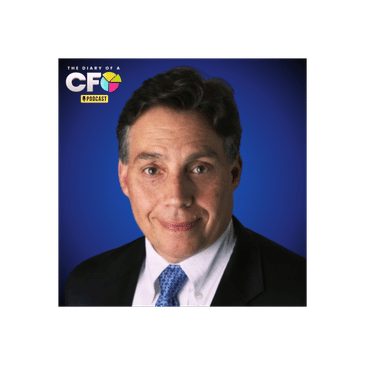
In this episode of The Diary of a CFO, Wassia Kamon sits with Paul S. Young, CFO of Liberty Bank, about building alignment by starting strategic planning in the spring. Paul explains how developing a three-to-five-year strategic plan before budget season creates clarity, ownership, and discipline. He also shares how Liberty Bank built an Enterprise Project Management Office and a Business Transformation Office to convert strategy into measurable results.
This episode is for CFOs building strategic planning processes, finance leaders driving transformation, and executives frustrated by poor execution or persistent talent shortages. Listeners will walk away with a practical framework for linking long-term strategy directly to annual budgets and delivering outcomes at scale.
Why This Episode Matters
If your strategy looks good on paper but fails in execution, this episode shows where the breakdown occurs.
If budgeting feels like an annual battle, it explains how early strategy alignment removes friction.
If talent shortages are slowing delivery, it offers a proven model for building internal capability.
Key Takeaways
Start strategy in the spring
Completing strategic planning before budget season eliminates direction debates later.Limit and prioritize initiatives
Fewer, well-owned priorities execute better than broad wish lists.Build execution infrastructure
Dedicated EPMO and transformation teams provide discipline and capacity.Rethink finance talent pipelines
Apprenticeships and rotations attract non-traditional candidates and build loyalty.Use AI to augment, not replace
Intelligent automation strengthens FP&A when paired with governance and upskilling.
How CFOs Should Align Strategic Planning With Budgeting and Execution
The most effective approach separates strategic thinking from budget mechanics. CFOs should begin planning in the spring using cross-functional SWOT sessions and environmental scanning such as PESTLE analysis. From there, leadership teams prioritize a manageable number of initiatives with clear owners and business cases.
By the time fall budgeting begins, strategy is already agreed. Budgeting becomes a translation exercise rather than a negotiation, and accountability is higher because stakeholders helped shape the direction.
Why Strategic Initiatives Fail to Execute at Scale
Many initiatives fail because they are layered on top of day jobs without dedicated expertise or capacity. Employees are expected to deliver complex change without the tools, time, or structure required.
Paul highlights the importance of centralized execution support. An Enterprise Project Management Office staffed with certified professionals ensures disciplined tracking and reporting. A Business Transformation Office acts as an internal consulting partner, helping teams identify opportunities and implement change consistently.
How CFOs Can Attract and Retain Finance Talent in Tight Markets
Traditional hiring models struggle in competitive talent markets. Liberty Bank addressed this by creating apprenticeship and rotational programs that welcome candidates from non-accounting backgrounds.
Partnering with programs such as the AICPA Registered Finance Business Partner initiative and offering rotations across finance functions builds clear development paths. Publicly recognizing progress and tying it to rewards reinforces momentum and positions the organization as an employer of choice.
How CFOs Should Approach AI and Intelligent Automation in Finance
AI should be viewed as part of a broader intelligent automation strategy. CFOs should begin with augmented tools that enhance human work, particularly in research, forecasting, and FP&A.
Success depends on investing in change management, establishing strong data governance, and defining clear, ROI-driven use cases. Upskilling teams and balancing quick wins with longer-term transformation ensures finance remains competitive without sacrificing human judgment.
Resources mentioned
Guest: Paul S. Young, CFO of Liberty Bank
Liberty Bank: One of the nation's oldest and largest mutual banks
AICPA Registered Finance Business Partner Apprenticeship Program
AICPA Finance Leadership Program – Platform for CGMA credential
Tools mentioned: Microsoft Copilot, Claude (Anthropic), ChatGPT (OpenAI), Google Gemini, Salesforce CRM with AI capabilities
Subscribe to the Finance Executive Track newsletter for actionable insights to become the obvious choice for top finance roles and thrive once you get there
https://the-finance-executive-track.kit.com/signup
Download the free guide on AI prompts every finance leader needs:
https://www.wassiakamon.com/promptsIf you liked this episode, listen next to:
Learn more about Wassia Kamon and The Diary of a CFO at thediaryofacfo.com.
About The Diary of a CFO
The Diary of a CFO is a podcast about modern finance leadership, hosted by award‑winning CFO Wassia Kamon. The show is for current CFOs, emerging finance leaders, FP&A professionals, and founders who work closely with finance teams.
Each episode explores how CFOs and senior finance executives build high‑performing finance and FP&A teams, partner with CEOs, boards, and capital providers (banks, PE/VC, and impact lenders), and navigate growth, regulation, and transformation without burning out.
Full Transcript:
[00:00:00] This is amazing 'cause it really shows how the role of the CFO has evolved. CFOs were not necessarily overseeing A-E-P-M-O or Business Transformation office or anything like that, and it's important to make sure that you are part of the CFO organization and that you can't just be the yes person to that line of business.
[00:00:21] CFO. What I really felt I had to do was. Paul S. Young is the Senior Executive Vice President and Chief Financial Officer at Liberty Bank, a dynamic finance leader with decades of experience in banking and financial services. He's known for his strategic mindset, passion for developing people and commitment to driving innovation while keeping a customer first approach.
[00:00:40] AI is not gonna replace people, but he will replace the people who don't embrace it. But AI is out there to help us. Battle fraud as well. So it was sort of like a race. What was that transition like being Deputy CFO to being now the corporate CFO of Liberty Bank? And one of the things I found when I came to Liberty Bank is that.
[00:00:59] Welcome back to [00:01:00] the Diary of a CFO Podcast, the podcast where finance leaders share the lessons, challenges, and wins that shape their careers as well as their organizations. I'm your host, CIA Kaman, and today I'm super delighted to have with me Paul Young, welcome to the show, Paul. Thank you, cia. What's up?
[00:01:15] It's great to be here. I'm excited to be guest on your great podcast and also very honored. So thank you. Of course. I know we met through all the events at the A-I-C-P-A for about two, three years now. So super excited to have you on 'cause you've always been a cheerleader of our finance sisterhood, so very happy to have you on.
[00:01:36] Well, it's great. I mean, you've just been terrific at those conferences, so just to have the opportunity to speak with you is indeed a pleasure. Thank you. Don't make me turn right now. Now let's get to it. So why don't you start with telling us your career journey and how you found yourself in your current position at Liberty Bank.
[00:01:53] Yeah, I'm a little bit older, so it's a long story, but I'll try to provide the Reader's Digest, uh, version here with CI started my career many, [00:02:00] many years ago, the Prudential Insurance Company. I was a. Premium statistics clerk, and what I would do is I would add up, uh, group healthcare vouchers. I would add up all the premiums, run 'em on an adding machine tape.
[00:02:13] I still have a, that type of adding machine in my office to remind the, where it all started, right date myself a little more here we would. Bring them down to the key punch area, I would be screening those key punch cards. And then, uh, reconciling and I learned very quickly that, uh, transposition variances are divisible by nine.
[00:02:30] So that helped me a lot from a reconciliation perspective to help launch my career at, uh, Prudential. Prudential. Also, um, paid for my education, excuse my undergraduate degree at night. So I was learning by doing terrific benefit that Prudential provided. One of the reasons why the companies I work for were so, I'm so passionate about education.
[00:02:49] Training, you know, I posted for different positions and kind of moved up the ladder there while I went to school at Prudential, and then eventually went into banking. I was always looking for areas where I can [00:03:00] differentiate myself a little bit and add value, develop some subject matter expertise. So in the beginning I was really drawn to automation and.
[00:03:09] We were on Viscal back then and I helped, you know, convert everything to Lotus 1, 2, 3, and became an expert on the backslash X commands and creating custom menus and automating at that point in time, or at least that what we defined as automating. And so really became interested in systems to try the blend.
[00:03:26] Accounting with technology as new accounting pronounces were coming out, became an expert on FAS 91, lease accounting. FAS 13, developed a sub subject matter expertise in those areas, moved through banking and I did just about every job in accounting and I think that was. Really helpful as I moved into management later on in my career.
[00:03:46] You know, accounts receivable, accounts payable, supervisory, was responsible for payroll for Prudential at one time for over 12,000 employees. So I had had done a lot of work. We got really attracted to budgeting and forecasting. That was an area and the software [00:04:00] related to that. And then when there was a lot of, uh, turmoil with the scandals like Enron and WorldCom, and I became a SOX champion.
[00:04:07] Uh, so I was always looking like, what's the new thing where I can add value or differentiate? Or build up my skillset worked my way up. I was in public accounting for a couple of years as an EDP auditor. I ordered the F FDA's regional offices. So that's a little bit ironic now that the FDIC is our regular behind.
[00:04:24] Yeah, they're getting even with me, my career really started to take off when I was at Siemens, the German conglomerate. I was the, started as director of planning and then moved up. To the, the SVP and controller of Siemens Financial Services for North America. I was there for about seven years and really learned a lot in that role and that gave me confidence to move on into other sort of like L-O-B-C-F-O roles, line of business.
[00:04:49] Mm-hmm. Uh, chief financial Officer roles. I was the Chief financial officer for CIT healthcare, and then based upon, uh, that I became the CFO of the entire corporate finance segment. [00:05:00] Eventually led me to TD Bank where I was the head of a US lines of business, and then I headed up strategy and corporate development for a few years at TD Bank.
[00:05:11] That really honed my skillset from a overall strategic mindset perspective, and then worked as for a digital bank, bank mobile. I was a CFO of bank Mobile. A digital bank, went to, uh, citizens Bank and was the CFO of their. Citizens Access Digital Bank. Also their business banking and their consumer deposits area.
[00:05:30] And then that led me to Liberty Bank, where I'm now six years ago, became the CFO of Liberty Bank, which has just been a, uh, fantastic e experience. So, little bit about my background. I'm passionate about education and training. I try to, as you mentioned. With the A-I-C-P-A, I tried to be involved in the industry and to participate, to give back.
[00:05:50] From that perspective, I've been an adjunct professor, so I'm really passionate about paying it back and being able to help, uh, develop the next generation of, uh, finance and accounting [00:06:00] professionals. And then of course, also dedicated all the great things that we're doing at, uh, at Liberty Bank, not just for our teammates, but for the communities we serve as well.
[00:06:09] Thank you so much for sharing that. Quite impressive of course. But I'm curious to understand what was that transition like being, um, like your deputy CFO to being now the corporate CFO of Liberty Bank because now you like not reporting to another CFO. You are the top CFO you are, you're in, right. The buck stops here, right?
[00:06:30] Yes. So yeah, I think that the time that I was responsible for strategy at TD Bank. Really helped me a lot, that strategic mindset. And I have a tendency like, you know, I can be a little bit impatient. I gotta do things myself. Let's get it done right. Uhhuh, uh, and just thinking more strategically, taking a step back and thinking about really, you know, what are we trying to accomplish?
[00:06:53] I think my roles in fp and a and planning helped as well, because when you're doing root cause analysis and you're [00:07:00] really getting underneath and you're doing. Evaluate a business partnering, you were thinking about it from a business mindset. Mm-hmm. Uh, so I think the strategic proportion and really starting, and it's not an easy transition, really starting to think about, you know, where do we play and how do we win?
[00:07:15] Right. And having that in my mind as we're going through all the different. Um, uh, challenges and strategic priorities across the bank. Keeping that, keeping that front and center, where do we play? How do we win? And making sure that we've got, um, that we're nimble and can't have analysis by paralysis. And it just basically, I think to a certain extent.
[00:07:37] You know, just have confidence and be your authentic self is something that, that I kept in the back of my mind too as I moved into the overall CFO, uh, type roles. And it really helps to have a strong team. Uh, oh. Yeah. So you, you're not, you don't have to. Uh, get down into the de into the details of, like I said, the control environment, SOX compliance.
[00:07:59] I can, I have a [00:08:00] strong controller, I have a strong treasurer. So that really helps a lot. Uh, just strong leadership across the team. And it wasn't that way in the beginning, uh, but we were able to, to build that out. But I think the shift in mindset and, and that strategic experience that I was able to develop really helped me a lot in the role and the line of business CFO roles.
[00:08:18] You do it. And sort of like a, a, a mini basis, right? But there is that safety net, right? Mm-hmm. Now it's just you, but you know, you prepared for this all your life. Uh, so it's something that I really, you know, embraced. And I've always, you know, I mentioned earlier where I'm always thinking about, you know, that next new thing.
[00:08:35] So a little bit, I was always pushing the envelope and volunteering for things where it was sort of like the unknown, right? So having that, uh, kind of like the courage of your convictions to go out there and take a chance and don't be afraid to, to fail, right? So that was part, that's part of it as well.
[00:08:49] But I think strategy, having that strategic mindset front and center is what really helped a lot. And then the CFO role has evolved a lot from that perspective. I also took a lot, you know, I had a lot of bosses that were CFOs [00:09:00] and some of them had good management traits and, and some of them had bad man management, uh, traits, right?
[00:09:06] So I tried to learn from the. Uh, uh, best practices that I, that I saw while I was, uh, uh, working for them and then the things that I felt that I wouldn't do if I were in that role and made sure that I didn't, as I move forward. Yeah. Wow. Thanks for sharing. Because the, the part that really resonate with me in the strategic part, 'cause you and I starting in accounting, right, and there's not much strategy or planning when you start, you know, as a controller, you month end close, but you not always.
[00:09:35] Yeah. Feeling, seeing the bigger picture. Yeah. So what are some of the things, maybe two, three things that really helped you? Like when, when you were in that role, what are some assignment or project you worked on or people you spoke, you talked to, to really expand that strategic mindset? I was very fortunate to have a CFO, um, that.
[00:09:57] I was able to bounce things [00:10:00] off of. Mm-hmm. So I think that helped a lot. And I think from a best practices perspective, it was a lot of it was emotional intelligence. Right. And eq Right. And. Partnering with the business and developing those relationships, I think that really helped a lot. 'cause you could asked a lot of questions when you develop those relationships and really get a better understanding of business.
[00:10:24] So what I really felt I had to do was dive deep into the business and ask a lot of questions from the business leaders so I could imagine myself. As somebody who is in charge of retail banking or commercial banking or operations or it, and really learn, you know, what it was that propelled success in that business.
[00:10:46] What are the key financial metrics and what are the drivers of those metrics? And I think then applying that to when we're doing forecasting and budgeting and developing, sort of like looking at. [00:11:00] The, from a strategic perspective, looking at strengths, weaknesses, opportunities and threats, and really being able to take those and align them to what's happening in that particular business unit.
[00:11:12] How do we take advantage of the opportunities? How do we mitigate our weaknesses? How do, uh, how do we, uh, mitigate the threats, shore up our weaknesses, and leverage our strengths And kind of like working with each. When I'm a line of business CFO, I'm doing that to a certain extent. Mm-hmm. But those business leaders and the insight that they shared with me and the support from the CFO was really critical.
[00:11:33] And I, I mentioned emotional intelligence. 'cause in a lot of those roles, you're working in a matrix environment. Yes. You have a solid line into the CFO, but a dotted line into each of those business leaders. Mm-hmm. And it's important to make sure that. You know you are part of the CFO organization and that you can't just be the yes person.
[00:11:55] To that line of business, CFO, you need to add value. You need to think critically. And I [00:12:00] think keeping that top of mind, asking a lot of questions and diving deep into the business and getting that understanding of what are the drivers of success in that business? Where do we play? How do we win? Kyle, like keeping that.
[00:12:11] Front and center in our mind. Thank you for sharing. Now, I'm curious, now that you're the corporate CFO, what's your playbook for leading operational budget? I know when we had a, a conversation, probably you were like, oh, you don't start your budget at the end of the year. You start earlier in the year, so please, please share.
[00:12:29] Yeah. Yeah. Was, see, I was gonna back that up because I think, um. Learning from experience, from doing a lot of budgeting, it's, it's really gotta be grounded in strategy. And one of the things I found when I came to Liberty Bank is that the strategic plan wasn't being refreshed and there wasn't aligned with the operational planning.
[00:12:47] So six years ago. I said, you know what? We really gotta take a step back if we're gonna be successful in budgeting. It all flows from the strategy, right? So what are our mission, vision, values of the organization? And let's [00:13:00] rally together as one team. So I really think that best practices is to, to do that in like either a three or five year timeframe and refresh it every year.
[00:13:08] That wasn't being done. And when you do that, and I mentioned earlier, you go through. You don't do it in a vacuum, you do it as one bank with a team, uh, and you develop, all right, what are my strengths, weaknesses, opportunities, threats. And then you're looking at the environment, right? It's sort of like a pestle analysis from a political perspective.
[00:13:26] What's happening? Economic what, what are the key economic drivers that you want to consider as you're looking, uh, into their future? Uh, you know, what's happening from a social perspective that affects customers and what they might be. Experiencing, how do we, how do we win in that type of environment?
[00:13:42] From a technological exp perspective, legal, environmental with everybody. Everything. E, S, and G, right? So we do that in the spring and we go through that every spring, and we have it approved by the board and then in the fall, right, for, so for example, this year. We did the 25 to 27 strategic plan. [00:14:00] So now that in October we're kicking off our budgeting process, right?
[00:14:04] So to the extent we've done a good job with that strategic plan, the budgeting process should be less painful, much easier, because we've already looked at what do we think's gonna happen in 26, and it's a matter of updating it for what has changed and therefore you're developing. Operational plans for the next year that flow from the strategic plan.
[00:14:26] Nice. Where everybody has worked on already and it's one bank's or one organization's operational plan. And then if you've done that, you've got commitment across the company. So as you're going through the year and you're looking at variances and explaining dv, you know what the root causes are of those deviations.
[00:14:47] Everybody understands how the budget was developed, and it's a lot easier to be able to explain variances and to take corrective action at the earliest point in time. So I think our success in operational planning is [00:15:00] because we. It. It flows from our strategic planning process, and we have that very well aligned, and the regulators have actually complimented us on that in the way that we, we align that process.
[00:15:11] So I think that that has helped a lot from a budgeting perspective. You have ownership and accountability, and we do that for each of our strategic initiatives. Are in our budget, we have a business case, right, that flows up into the overall budget for the organization. And we have begin states, begin dates, end dates, and we track that and those initiatives separately in strategy management software and ensure that we're executing with excellence and on a quarterly basis also reporting out.
[00:15:38] How are we performing versus versus budget. So yeah, that's been the key to our success and sort of like, I think best practices from experience and, and budgeting and planning over the years. Now that's very helpful because the idea that you start with strategy in the spring and you do your traditional, put the budget together in October, like in the fall, right?[00:16:00]
[00:16:00] Because you had time to all agree that, okay, this is what we're gonna do more. This is going to right. Stop doing or start doing. So don't complain when I come in the fall. Sure. Right. Exactly. Get it done. Exactly. Yeah. Right. We're all grounded in the fundamental assumptions and Right, and, and things change.
[00:16:18] Right. The Fed just reduced interest rates by 25 basis points earlier this month. Did we have that in the strategy? Yes. But did we have two more for the rest of the year? No. Right. We had one more for the rest, so we updated for the budget. So there are changes, but at least you're able to track. Those changes in assumptions and you've got the latest and greatest when you're go when you're completing your budgeting process.
[00:16:40] Wow. So how do you bring people, explain to me a, a bit, how do you bring people around that strategy in the spring? What does it look like? What does your schedule or milestone of your team look like? Yeah, because we, we are very familiar with how the budget goes, but not so much of how as strategy CFO, you are leading [00:17:00] people around strategy for the rest of the year.
[00:17:03] So we actually started this back in. I started late 2019 at, um, at, at liberty, and we started our new strategic planning process early in 2020. And what we did is we Yeah, exactly. We started, so we had in-person meetings with our entire team, uh, you know, or, or representatives our entire bank from all different di disciplines, from branch tellers to technologists, to to commercial lenders and retail banking personnel.
[00:17:33] Into our offices to go through SWAT sessions that I conducted with our CEO and our HR department to go through what do we think level set, right? What do you, you know, let's develop mission, vision, and values together, and let's talk about strengths, weaknesses, opportunity threats, and we got that from the employee base.
[00:17:51] Now, unfortunately, March comes and everybody goes home, so we had to complete that. In a hybrid type environment, which was more challenging, [00:18:00] but we were still able to do it. We did more surveys, you know, as we completed it versus team meetings. And then we had our leadership team come in, collaborate around all the feedback we we received, and to finalize what our SWAT was.
[00:18:13] So we do. We don't do it in person every year we do it bet with surveys, but this year we just celebrated a 200 year anniversary. We didn't all in person again, and we didn't have any pandemic. We're able to bring everybody together. We had all of those sessions. And then we have an offsite session with our leadership team.
[00:18:31] So we take the survey results, we take the individual meetings that all our teammates ha, uh, have had, and then we develop, we update our SUA and from our sua. Um, and considering the pestle that I talked about earlier in the environment, we develop our strategic initiatives. Now, some of them come in from employees from surveys, and a lot of it is also from leadership.
[00:18:54] And we look at. All those strategic initiatives. And for example, we might have a hundred strategic initiatives. I [00:19:00] think we were close to that this year. But you know what? You can't boil the ocean, right? So how do we prioritize? Prioritize? So in our offsite, we prioritize those strategic initiatives and we got it down to 20 strategic initiatives this year.
[00:19:12] And then we build out business cases and beginning and end dates, and we track it in software. But you know what? The strategic plan. It's great the way it comes together, but it's useless if it sits on a shelf, right? Yeah. So how do we execute with excellence? But we have an enterprise project management office that I created shortly after I came on board.
[00:19:33] 'cause one of the things I noticed from the strategic plan that I developed that went from 2000 to 17 to 19, which was expiring, was that about half of the initiatives were never executed on. Mm-hmm. And it really wasn't anybody's fault because. Teammates were that didn't have expertise in project management, were doing project management in addition to their day jobs.
[00:19:57] Mm. They weren't certified project management [00:20:00] professionals. My advice was we need to create a centralized EPMO office. CEO said, great, your idea, it reports to you Paul. So I became responsible for, that's the way it goes. Right? With CI learned, learned that on the hard way. Yes. Great idea. It's all yours.
[00:20:14] Yeah. Same thing happened with our business transformation office. You would think I would learn, right? But no. So, but, so we created that and uh, that, you know, having certified project management professionals and we didn't just go outside for that. We, for employees, we posted positions and we put them to training.
[00:20:31] And let them become PMPs. But then we also supplemented with expertise from the outside and I hired a renowned leader over project management in, uh, in the Northeast. So that provided us with the capacity. To be able to execute on the projects that were the most important for the company. So we have 20 strategic initiatives in our enterprise.
[00:20:49] Project management office helps coordinate the execution of all those projects with clearly accountable owners, raci, RACI matrices that we, that we [00:21:00] complete to make sure, and we have updates on a monthly basis. I instituted when I started. Monthly business review meetings where the C-C-E-O-C-A-O and I meet with the head to each of the business on a monthly basis.
[00:21:14] And we talk about not just financials, but risks and opportunities, what's out there from a governance perspective, how can we help you to be successful? But we are measuring how are we doing like on our strategic initiatives and how are we doing versus plan? So that added a layer of accountability that wasn't there before.
[00:21:31] So I think a combination of the EPMO office. And the management oversight that we provide and the, the guidance that we provide has helped a lot in being able to execute on those strategies. So when we develop it in the spring and then translate that into the budget in the fall, um, we've gotta make sure we've got the accountability, the transparency, and the capacity to be able to execute on those projects in the timeframe.
[00:21:58] Um, that we've committed [00:22:00] to. Thank you so much. That's, that was like a masterclass, what you just did. So thank you so much for breaking it down. Now I'm curious with, um, with the two offices you just mentioned, so you mentioned the Enterprise Risk Management Office that report to you and you also mentioned, uh, project management.
[00:22:18] Yeah. Project management, the m, the enterprise product management, and also the business transformation office. That also reports to you. Right? So to me it sounds like what we think about the, the, the, the finance team or the future you already have. So give us more detail about what is that, how is that EPM You mentioned you have people from your, uh, people from the organization that are project manager and that's what they do.
[00:22:42] They report to you? Yes. Now what about the business transformation office? That's correct. Finance, can you walk us through why you created again and how it works? Yeah, so part of the brainstorming, uh, back in 2024 where we look at, we have an employee suggestion. [00:23:00] It's automated. It's called Stop the Madness.
[00:23:03] Right? Oh, nice. Yes. I gotta stop. I noticed that. Stop The Madness had a lot of different things around productivity and efficiency, and that was sort of like a bottom up from the employees that we were executing on. Mm-hmm. But I felt that we were missing more of, instead of waiting for employees to tell us, which was sort of like more of a top down.
[00:23:21] There are areas that. Um, are really conducive to being more productive and efficient as we move forward. So it was a suggested strategic initiative that, um, I propose in 2024. So again, CEO said, that's great. Build it Paul. Uh, I said, sure will do. So, um. You know, I hired a business transformation executive from a large, uh, competitor bank, uh, to start the group and build it out with a combination of data scientists, PhDs, and CPAs.
[00:23:58] But it's a small group like our [00:24:00] EPMO group. Um, but then you become a victim of your own success because as you're working, it's like everybody wants the business transformation office, or everybody wants help from the enterprise project management office. So, uh, it, it's a, it's a small team, uh, that looks at each of the different lines of business.
[00:24:17] Mm-hmm. And determines. Where there might be areas that they can help. I sort of think of it as an internal consulting team versus an external consulting team. Except it doesn't cost as much and they're there. Yeah, that's a good thing. And they're there with you implementing solutions. They don't just give you, you know, uh, uh, presentation and say, now make it happen.
[00:24:39] Right. Or, or, pay me a few more million dollars and I'll, I'll help you execute. No. So this group, it's, instead of forcing change. On employees, they work with employees embrace change together and build a, a better way of doing things. And one of the things we found originally in when we were looking at is like [00:25:00] we do a lot of moving data from one system or one source to another, unproductive time shoveling data.
[00:25:08] And then I say, well, I don't even know if it's one source to the truth, right? Mm-hmm. So we're shoveling shit. So you can edit this, right? So that's basically, which is like, it's true. That's not our job, right? We need to increase capacity for our teammates. So, uh, so that's sort of like how we prioritized.
[00:25:27] Where the business transformation office goes first, where do we think there are the most manual processes or where we're just copying and pasting data from one area to other? What are the areas that are really ripe for process improvement? And it's not like, and from a tools perspective, it's not like, you know, you go out and buy the shiniest hammer and then you figure out, all right, where's the nail?
[00:25:48] Yeah, we're diagnosing what's happening in the business and then determining and partnering with our information technology group. What are, what's the right solution? It could be AI related. We like to [00:26:00] call it under the umbrella of intelligent automation. What's the solution that we need to bring to the business?
[00:26:05] And one of the first wins we had was in our consumer, uh, lending group, uh, realtors in Connecticut. Did not wanna work with us because they could not rely on us closing on time. We were on the bottom quartile of over 60 days from a mortgage app to closing. Wow. We looked at that area first and partnered with the business to improve our processes and get more information systemically upfront to be able to make decisions and then turn around approvals, and then to be able to ultimately fund the mortgage.
[00:26:39] We are now the number one consumer lender in the state of Connecticut. Wow. I am telling you, we, we, we we're less than 30 days, and realtors love us before that. Oh, keep away from now. They're like, oh, you have to go to Liberty Bank. There's certainty of execution, and if you need to quit closing, that's the bank to go to.
[00:26:56] It's a title turn, so it's not just like. It. It's not just [00:27:00] cost, right? And mm-hmm. You know it the capacity savings, it's driving business results. Yes. It's a perfect example. Now we've got them looking at lending operations on commercial and deposit operations and what we could do to improve there. I've been, I've, I want the group to look at finance.
[00:27:16] We're looking at what are better ways to automate within our finance group. Do we, are we using across the bank the capabilities of all the tools we've already invested in? Right? And we have a pipeline of groups now that can't wait to have the BTO come and help them. So. Employees are not fearful that they're gonna lose their jobs, it's gonna make them more productive in their jobs.
[00:27:38] Mm-hmm. And it's, they give them more of a sense of pride on the type of work that they're doing. So it's really been very successful in the shorter period of time that we rolled it out. And we've started to slowly add staff to that group because of the demand. But it mm-hmm. Really provides benefits beyond just, uh, cost savings where there's attrition we might not need to add employees.
[00:27:56] It's generating revenue for the business and it's really helping. [00:28:00] Our consumers in our communities as well. This is amazing 'cause it really shows how the role of the CFO has evolved, right? Because Mm, yeah. Probably when you started your career, CFOs were not necessarily overseeing A-E-P-M-O or business transformation office or anything like that.
[00:28:17] But now it's also good to see how the CEO is trusting more the the CFO to drive some of Sure. Themes. Right, right. Because we do have that edge now. I'm curious. That's a great word. Trust. Yeah, that's a great word. You trust me? Yeah. Yes. And so when you think about all the things you are able to do, what are some things you think AI can help you accelerate the process?
[00:28:40] You mentioned intelligent automation, and where do you think the human touch still matter? I'm a strong advocate that we're gonna need that human touch. So when we look at. Artificial intelligence. We're looking at, you know, we're under the umbrella of what we're calling intelligent automation. We're looking at, you know, machine learning.
[00:28:59] Mm-hmm. [00:29:00] Robotic process automation. And those are things that are just kind of like rote that, you know, can kick off automatically. Um, you know, so there is, there, there are, we do have some RPAs that we put in sort of like bots to do certain menial tasks. Right. But that doesn't require much. Much human touch, but it really, mm-hmm.
[00:29:19] It doesn't move the needle from an organizational perspective, but every little bit helps. Right. And then you've got things like generative ai where it's generating content. So things like Microsoft, uh, copilot, Claude, uh, chat, GPT, uh, and uh, Google, Gemini. Those shorter tools I think are. We classify as code of augmented artificial intelligence, where you need the human operator there and you're able to say, okay, in these type of things, this is really helpful with minutes, uh, you know, calendar scheduling, research, um, uh, those are the things that I think are really core right now that are helpful.
[00:29:58] And then you kind of have [00:30:00] like, um, more of, uh, you know. What's latest breaking is more genic ai, right? Mm-hmm. Where, you know, artificial intelligence is, is, is taking action, right? Mm-hmm. Uh, it can look at your calendar, it can book that flight for you. It can make hotel reservations, it can, you know, arrange transportation, right?
[00:30:19] Yes. So that's a little bit more of the scary part, but I think. It's called artificial intelligence for a region for a reason. And I think there's always gonna need to be that human touch as we're going through and the mm-hmm. The, the rationale and the decision making. So I think the augmented ai where you have, um, you know, that intelligence.
[00:30:40] Being harnessed by humans, I think, uh, and our teammates is really where is the greatest opportunity? And I think that's critical, especially in areas like fp and a, where predictive analytics, there's, uh, software that's out there that you know, that helps as far as, you know, based upon trends, what's gonna happen in the future.
[00:30:59] You can [00:31:00] bring in economic factors. Work with the business, but you really have that human rationale, and then how do I make that align with our strategy and write? Mm-hmm. What are the right decisions? And I think those are great opportunities where we're not so much putting the forecast together, but we're working with the business as evaluated partners.
[00:31:17] You know, I really think we put all our employees through change management training. I really think that, you know, employees need to embrace change. I don't think AI is going to replace our teammates, but it will replace the teammates that don't embrace ai, right? Mm-hmm. So it's a matter of upskilling and new skill sets that we need to develop.
[00:31:36] And there are opportunities there from a data perspective because, you know, artificial intelligence only good is the data, right? Data is the yes. Red blood of ai, and therefore data governance is critical. It's the foundation of success for ai. So when we look at ai, I hate, I, I go back to it all the time.
[00:31:52] Uh. Uh, we look at what's important first and foremost is your having the strategy around AI and [00:32:00] how you're going to employ it, and then have clearly articulated use cases. With business financials behind it, with return on investment. Right. And then mm-hmm. Umbrella with that is governance. Now, governance doesn't mean stop.
[00:32:14] It's like how do we get to Yes. In a controlled environment, right? And having that appropriate, uh, governance structure in place as we go through. That, uh, entire process. So I think, I think the future is bright for finance and accounting and across the bank from an AI perspective, but it is how we harness it together with that human touch.
[00:32:33] I think always at the forefront. At the forefront. I think, you know, when we look at in certain ways, we look at, you know, when we're looking at it, I think that. In the future of finance leadership advisory group, we talked about from an AI perspective, you know, you've got dot, uh, dash star, right? Those small items like that improve productivity.
[00:32:52] The dash is like, oh, well, you know, this is really helping a lot. And part of that is sort of like protecting the bank, right? Frauds are very sophisticated, [00:33:00] so they're using ai. You know, for, uh, oh yeah. Bad purposes, right? That not good intentions, but AI is out there from, to help us battle fraud as well. So it's sort of like a race from that per that perspective.
[00:33:15] True. And then we at the star, the big items, like we are now, we are investing in, uh. salesforce.com, our customer relationship management software, and it's got, uh, artificial intelligence capabilities. So that provides us with the, you know, uh, with the ability to determine what are the right products and services for the customers in our markets, and to be able to, uh, to, to serve the customers better.
[00:33:39] So I think there are opportunities across the board from AI that's not just finance, but also affects the consumer. As well. And the consumers, like everybody's using ai, right? It's here. Oh yeah. Whether you like it or lot. So you better, you better move with the cheese, so, right. So, oh yeah. And I like how you said the fraudster, you know, when they come for people's bank account, they use ai, [00:34:00] so the bank should also be using ai.
[00:34:01] Yes, yes, yes. For us internally in accounting, we're like, our auditors are using AI to determine what Oh, sure. Yeah. Oh yeah. So we need to use AI to figure out, definitely. It's almost like keeping up. Right. So I like, especially like when you said AI is not gonna replace people, but it will replace the people who don't embrace it.
[00:34:21] That is so true. Yeah, exactly. That's we're upskilling and reskilling. Uh. And attracting talent and has a skillset and developing those skill sets is critically important to the business. Now, you mentioned talent. A lot of CFOs are struggling to find and retain talent. Last time we spoke, it looks like you did not have that problem.
[00:34:39] So please share a few tips on how you able get your talent to stay with you and grow. Yeah, well see. I actually did, you know, I did six years ago, new C-E-O-C-F-O coming into the bank. Uh, we were, we were transforming the bank. There was a lot of change and not everybody, uh, was on the bus, uh, [00:35:00] related to those changes.
[00:35:00] So some people opted out. It was very difficult for me to replace. Employees, it took four to six months. We didn't have a reputation as an employer of choice in our markets at that time. I had to pay recruiters for staff accountants. Right. It was like, uh, so it was, it was, it was a difficult time. Um, and so one of the things I really wanted to focus on, well, how do I upskill.
[00:35:23] Re-skill existing talent. Uh, and then separately like how do I attract new talent to the bank? I was struggling with that and I went to our future of finance leadership advisory group meeting, and Barry Payne and the team talked about this new registered finance business partner apprenticeship program.
[00:35:41] I was like, whoa, stop, Ty. Now you had me at Hello. Right. Barry became like the English Tom crew. Like, like, I I want it now. Yeah. It's uh, I want it now. And they were like, whoa, we're just rolling out, like, I need it. Let's, let's bring it, let's do it. Let me, I, I don't mind being first. Let's bring it in. So we were the first, one of the first companies, the first bank in the [00:36:00] US and the first company along with HP and Aon, uh, to be able to bring that registered finance business partner apprenticeship program.
[00:36:08] To our teammates, so mm-hmm. What, what I did and the way I rolled that out, and, and this program is great because it leads to, it's, it's on a platform from the A-I-C-P-A called the Finance Leadership Program, and it has all different levels and, and helps you. It's sort of like a, an MBA kind of in accounting, uh mm-hmm.
[00:36:27] Uh, on a virtual level, but supple, supplemented, supplemented with, with. With the online classes, but it really goes through operational level, management level, and strategic level, and you have to test out at each of those levels. And when you're completed, you become a chartered global management accountant.
[00:36:44] So for accountants in private industry that never aspired to be CPAs. This is a great credential for them to be able to aspire to. So it really resonated with our employees. So I, uh, asked for volunteers in my organization and believe it or not, [00:37:00] eight, uh, eight of our teammates in in finance and accounting Wow.
[00:37:03] And CFO Group volunteered to be part of this brand new program. You register with the Department of Labor and when you graduate, you get a certificate. From the Department of Labor, it was a registered finance business partner. So really something that, um, you know, we embraced and. Skill sets include digital risk, uh, really runs the gamut.
[00:37:24] A across, um, not just banking, but all industries. So it really stretches employees out of their comfort zone. And if you're, if you didn't have an accounting degree, you can start, there's a foundational level and I required everybody to go through that foundational level just to level set, uh mm-hmm.
[00:37:41] Everything. So that's something that, um, you know, has really resonated and. So that helped with upskilling my existing employees, but then I wanted to also attract employees from the outside. So as that program, um, you know, started to get traction, I said, you know what I wanna do? I wanna, I call it my Reese's Peanut [00:38:00] Butter Cup strategy.
[00:38:00] Two great programs, put 'em together into something better. So I took the apprenticeship program. A CFO rotational program where employees rotate through all the different groups that you mentioned earlier that I'm responsible for within the CFO group, including business transformation and enterprise project management, treasury accounting, fp and a procurement.
[00:38:21] Wow. They get to go through all those areas in four to six months while they're apprentices and striving towards their CGMA and going through that learning component. That really opened up, I think. Pathways, non-traditional pathways into finance and accounting. Mm-hmm. And the first, mm-hmm. Registered apprentice, um, that went into this new CFO rotational program was from our retail branch network.
[00:38:46] So, Chao Stevens, uh, was a supervisor in one of our branches, and she wanted to get into finance but didn't really know how to go about it. Right? Mm-hmm. And she was about to leave the company. Uh, she heard about the program, she posted for it, and she, [00:39:00] we said, you know what? She seemed perfect for it. Chao is a psychology major.
[00:39:05] Wow. And she at talk about, you know. Very helpful from an emotional intelligence perspective and a business partner. Right. And she has really been the story of the program she was actually in, um, in justice, uh, earlier this year, uh, in February. She, uh, we had a ceremony for, uh, apprentices that the A-I-C-P-A held in Maryland.
[00:39:23] And she was named, uh, apprentice of the Year. So we're really proud of Shao in bringing that in. So that's an example of we were able to retain an employee and our branch rep and also bring in an employee that didn't have an accounting degree. And in her rotations, she's been a shining star, right? She has now gone through, she started at the lowest level because she didn't have an accounting degree.
[00:39:43] Mm-hmm. She just sat for the strategic level. She's waiting for her results. She could be A-C-G-M-A within the next couple of months. Yeah. Wow. Just amazing. But you know what, it's important. Celebrate that success because it's a two to three year journey, right? Mm-hmm. So we, you know, we incentivize employees, you know, when they pass a certain section, [00:40:00] uh, we give 'em a performance bonus.
[00:40:01] We raise their profile in town hall meetings. So we celebrate success. We have mentors aligned with them. And then, uh, also the second apprentice from the rotational program we hired was somebody who was leaving the military that came from the Naval Academy, then was in the Marines, but had a political science, uh.
[00:40:20] Background and was very highly recruited by organizations in Northern New England. He heard about our program, interviewed with us, and he said, he said this apprenticeship program was the difference that made him decide to come, uh, to Liberty Bank. Wow. So Darryl Bonner is another star who came into our group that would not have joined the company.
[00:40:40] So I'm gonna fast forward. So if I go back to when I, when I started. Four to six months paying a recruiter for a staff account position. The last CFO rotational apprentice that we hired, we had 200 resumes. Wow. Unbelievable. Unbelievable. We're an, you know, we're an employer of choice and our markets.
[00:40:59] People [00:41:00] heard about the apprenticeship program. They wanna be part of something special and something new. And to get the, to not have to have an accounting degree and to come into the profession and get a credential and to be able to have diversified experience at all these different areas is something that's really resonated.
[00:41:15] And then outta my grade eight, right tho they're moving through the program, but not other employees. Have posted that they wanna be an apprentice, uh, not rotating, but they wanna join that grade eight. So some of the grade eight have graduated, right? They wanna come in and join and be part of the grade eight.
[00:41:31] Uh, so there really has been something that has, uh, resonated very well across the bank. There also is an area that we looked at. There's a new associate apprentice program where you don't need a college degree, but it's sort, sort of, sort of could be a feeder program into the registered apprenticeship program.
[00:41:50] So we hired somebody that, uh, outta high school, um, that wants to major in accounting someday. We gave them a job in our accounting group. [00:42:00] And they're in the, uh, in this associate program. We just stopped at the operational level and then that could be a feeder, and that employee is going to school at night while he.
[00:42:11] Works in our company, sort of like what I used to do at Prudential, right? Come Oh yeah. The circle and providing those opportunities for those that, that are, weren't able to afford college but are, are, are able to do it through our tuition program and through the, the app joining us and being apprentices.
[00:42:26] So, uh, really terrific programs from the ICPA. They support it so well. If they make it easy, I would just tell anybody listening that, you know, you, you can start slow. You don't need to start with eight or, you know, however many apprentices you can start with one. Right? Start slow and build it out. Um, and, uh, I offer anybody who's interested to, to, uh, to contact me, I'd be happy to help.
[00:42:46] And the A-I-C-P-A has loads of resources that can help with that as well. That is so, um, inspiring, especially knowing people who came from, like you said, the, the, the military or psychology major or political [00:43:00] science. But what I really like about when you say your, your Reese peanut butter cup, I think the chocolate is.
[00:43:07] Yeah. I love chocolate. So the chocolate love them both. It's a rotational program, right? Yeah. Right. Because when you think about it and, and now I can see how your pipeline for fp NA or any other procurement that you have, you already have a pool of people that are like, oh, I really like FP NA when I did the rotation.
[00:43:26] Yeah. And I have the background now to do it, and it's just a easy transition. I lost the last things you were saying. Okay. Cut out for a moment. I'm sorry about that. Now. I can hear you now. Okay. Sweet. Okay. Retake, retake. Really happy about that. I heard, I heard that you're really happy about that, you know, because, uh, uh, that you know that, that people can, that not from non-traditional backgrounds that can come into the group.
[00:43:52] Yeah. That is terrific. Yes. Awesome. This is amazing. Um, and I love how you're paying it back. So I'm curious, what was the [00:44:00] best career advice you ever received? The best advice I received really resonated me was enjoy the journey. Mm-hmm. Like we get so caught up. In the rat race, right? We forget to have fun, take on big assignments.
[00:44:13] Very driven. It's like, but you know what? Life is short, right? Mm-hmm. And you spend a lot of time with the people you work with. That's why culture's so important when we're hiring, right? It's not just the technical skills. It's like how are they gonna fit into the overall culture? What are they gonna be like a teammates?
[00:44:26] Are we gonna enjoy spending time together? Fun accomplishing our goals. So I just think enjoying the journey versus, you know, taking a step back for an example we just went through a couple years ago, like in banking, Silicon Valley Bank, signature Bank, all the bank failures, or even through COVID and everything, it's like, look, we were going crazy with work, but it was like, we look back on these times, are we gonna think about, oh my God, did we rise up to the challenge?
[00:44:49] Right. Did we have fun doing it, right? Mm-hmm. So it's like, you know, embracing challenges as opportunities and having fun while you're doing it. Because I just kept in mind like, oh, I'm not gonna get [00:45:00] so caught up on, oh my, what are we gonna do? How are we gonna retain the depo? It's like, you know what? This is fun.
[00:45:05] We're gonna carve out a path here to be successful that we're gonna be proud of, and we're gonna be able to look back. Were we there for our teammates, for our customers? So to me it's like, enjoy the journey because, you know, at the end of the day, like, I'm not gonna be looking at our CEO. And saying, oh gee, I wish I spent more time with the CEO, right?
[00:45:22] Mm-hmm. No offense to Dave, but I love the guy, right. But work family balance is very important to me too. So I think enjoying the journey and then my own advice is work family balance is really important and it's something that, you know, I always had, I have two daughters daddy daughter days growing up and making sure you know that, that I spent that time with them.
[00:45:41] And so I think it is family work balance versus work family balance. I think how you make a difference in people's lives too. From a leadership perspective, leading with gratitude, and I think, you know, I remember when I was at td, I was taking over. All the lines of business, right? That reporting to me and a new role.
[00:45:57] And it was so big that we had to book a conference room at a [00:46:00] local hotel for me to have my first team meeting. And it was like I had to make this big presentation and I said, well, what am I gonna talk about? Right? We'll talk about what's important to you, right? So I'm doing like the traditional thing, you know what's important from a business perspective.
[00:46:11] And then it was like midnight the night before and I said, you know what? This is nonsense. What's important to me is my family. So I tell. A couple of slides of me and my daughters at their different events and things like that. I brought that up on screen first. This is what's important to me. And you know, it's kind of risky, like being your authentic self.
[00:46:26] So that's another piece of advice that yes, like to give people, bring your authentic self to the job. Don't try to fit into a stereotype. Let people know what makes you tick, that kind of thing. And I think that was like an inflection point for me of being able to share. The great thing is years later at a conference with an employee that worked for me at the time, uh, was at Citizens Bank, then moved to Citizens Bank and I saw him at a conference.
[00:46:44] Years later. And he said to me, you know, I still remember that presentation and I kept an eye with my kids and it really made a difference. Thank you, pawn. I said, see, I touched his life in a certain way. Right? And that's what we do. Enjoy the journey was the advice that was given me. I think be having fun and being your authentic self and [00:47:00] keeping work family balance in the forefront is the advice that I would provide.
[00:47:03] Thank you so much. Well, now I'm curious, what's your favorite thing to do now outside of work? Outside of work? Well, it's, you know, my daughters are older now, so it's Uhhuh family oriented. I just, in the past year became a grandfather, so I have a grandeur. So yeah. Congratulations. My little Ellie, my little Ellie girl.
[00:47:23] So I think it's still all things family, although, mm-hmm. You know, my daughters, you know, are now older, but I still think we. We have close bonds, so it's like just family oriented things. Oh gosh. That is so nice. Well, very good for you. I'm very happy for you. Everything is coming back because the way you've been paying forward has impacted me personally and so many people.
[00:47:47] So thank you for what you do in empowering, really, not just in your word, but in the things that you do within your finance function at those conferences. Thank you, Paul, for paying it forward and, and, and thank you. [00:48:00] So much CIA for all that you're doing. I mean this diary of the CFO podcast is really making a difference for a lot of people and your energy and your passion inspires me when I go to conferences and I see you speak.
[00:48:12] I kind of like took you aside after you didn't know who I was and I just said, you are marvelous. Yes, I wanna connect with you on LinkedIn. You inspire many in the profession and I'm just really proud to to be your colleague. Thank you so much for being on the show. I'll definitely drop all your information so people can reach out to you and learn more about how you're retaining talent, especially what we said at the beginning.
[00:48:35] How do you bring strategy in before you go into the fall? For those budgets. So thank you so much for being on the show. Thank you again, cia. Have a great day. And that's it for today's episode of The Diary of A CFO. Thank you so much for tuning in. If you enjoy the show, don't forget to like, review, subscribe, and share with others.
[00:48:54] Our website is a diary of A CF o.com. That's where you can find all the [00:49:00] episodes, access all the guest profiles, see their bios and their social media links. It is also the place where you can apply to be a guest on the podcast and have information about how you can sponsor the show. As always, if there is any topic you would like me to cover in the future, just email me at ask at the diary of a cfo.com.
[00:49:22] See you soon wondering if you're ready for the FO role? Find out with a free CFO readiness scorecard@cfo.scoreapp.com.